Indonesia Fleets Embrace Growth, Leasing, and Electrification in 2026
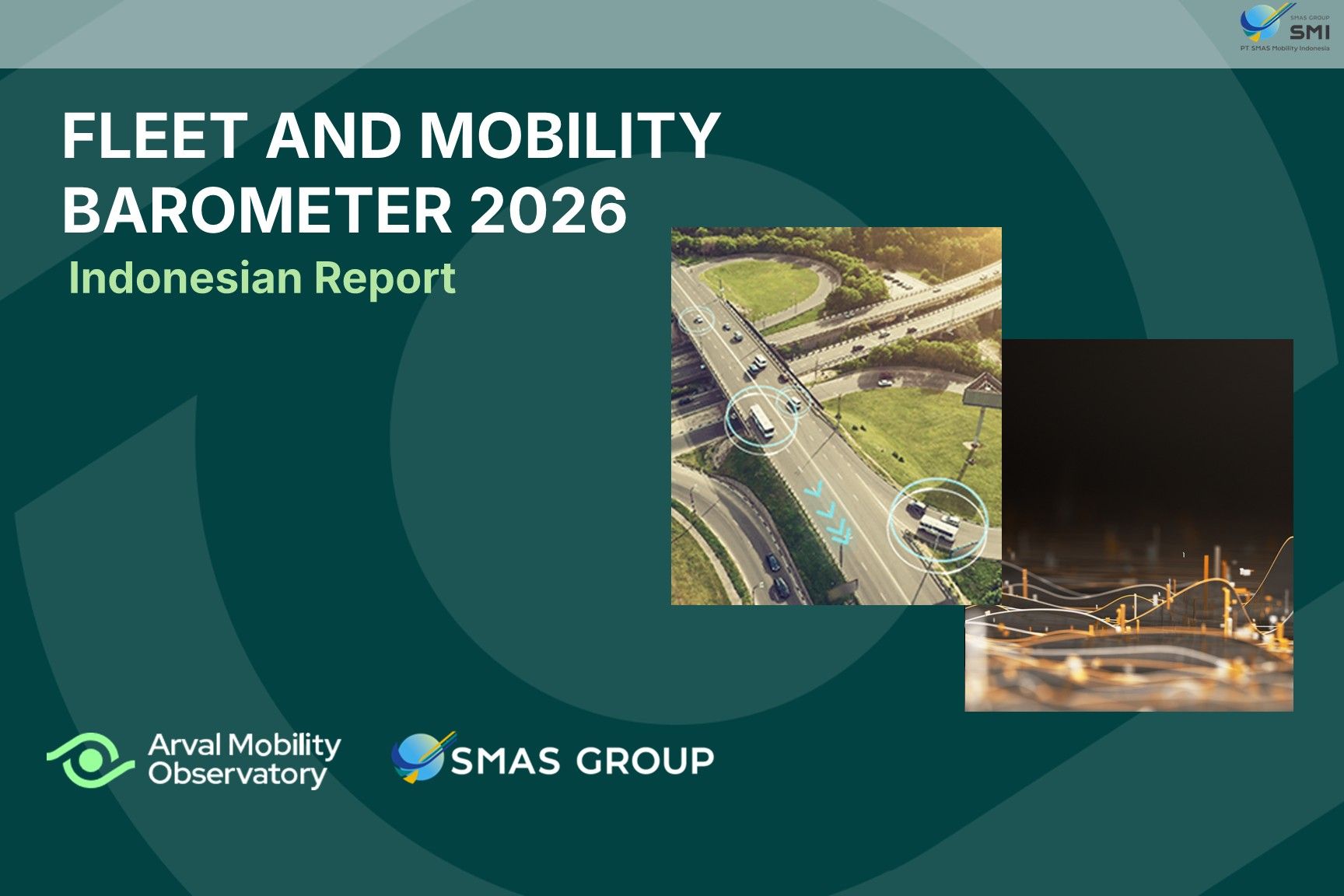
Arval Fleet & Mobility Barometer 2026: Indonesia Key Highlights
The Arval Mobility Observatory Fleet & Mobility Barometer 2026 reveals a confident outlook among Indonesian businesses. Companies are preparing for fleet growth, accelerating operational leasing adoption, exploring electrification, and investing in connected vehicle technologies. Sustainability, cost optimization, and employee mobility are emerging as key priorities shaping the future of corporate mobility in Indonesia.
Indonesia's corporate fleet market remains resilient and optimistic, with 94% of companies expecting their fleets to remain stable or grow over the next three years, reflecting confidence in business expansion and mobility needs.
Fleet Growth Remains Strong
- 25% of companies expect fleet growth within the next three years.
- Growth expectations are in line with the Asia-Pacific average, demonstrating sustained market confidence.
Operational Lease Gains Momentum
- 37% of businesses already use operational leasing as their primary fleet financing method.
- 49% plan to introduce or increase their use of operational leases, exceeding the Asia-Pacific average.
- Companies value operational leasing for vehicle renewal, cost efficiency, and predictable fleet management.
Fleet Electrification Continues to Progress
- 34% of companies have adopted or are considering electric passenger vehicles.
- Infrastructure remains the key challenge, with 77% citing charging availability as the main barrier to EV adoption.
- Despite this, 98% are planning or implementing charging policies.
Connected Fleets Are Expanding
- 43% of Indonesian companies already operate connected vehicles, above the Asia-Pacific average of 38%.
- Interest in telematics data is growing, with 53% considering future use of telematics-generated insights to improve fleet performance, safety, and efficiency.
Mobility Solutions Become Mainstream
- 98% of companies have implemented or plan to implement mobility solutions and policies.
- Talent attraction and employee expectations are major drivers, with 51% identifying HR needs as the primary motivation.
Sustainability and Innovation Rise on the Agenda
- Organizations are increasingly prioritizing fleet decarbonization, electrification, responsible driving practices, and total cost of ownership optimization.

